A written product scope
Every screen, what it does, and what it deliberately does not do. This is the document that stops the project growing quietly.
Web and mobile applications built from the scope up — user journeys, interface, development and release, with the thinking written down before code starts.
About this service
App development is building software people install or open in a browser to do one job well. The hard part is rarely the code. It is working out what the app should do before building all the things it could do.
We start from the process someone carries out by hand today, and remove it. If an app would not delete a real annoyance, we say so before we build anything.
Journeys, screens and data are written down first. That costs two weeks up front and saves months afterwards, when the scope would otherwise still be moving.
Most failed applications are not badly built. They solve a problem nobody had, or they make a simple job feel like work. So we spend the first part of the project removing things rather than adding them.
We build web applications and mobile applications. A web application runs in a browser and is usually the right first choice: nothing to install, one codebase, and it works on every device. A native or cross-platform mobile app is worth the extra cost when people need it offline, or when camera, Bluetooth or background location are genuinely part of the job.
Turn a useful idea into a usable product.
Scope
Every screen, what it does, and what it deliberately does not do. This is the document that stops the project growing quietly.
Clickable versions of the main flows, tested on real people before they are built. Changing a prototype costs a morning; changing working software costs a week.
Every screen, every state — including the empty, loading and error states, which are where most apps feel unfinished.
Reviewed regularly on a live link. You are never waiting weeks to find out where the project is.
Sign-up, sign-in, roles and permissions designed in from the start rather than bolted on afterwards.
Submission to the app stores, including the privacy declarations they require. This is where a lot of first releases stall.
Cost
Applications are quoted per project, and the range is wide because the difference between a simple internal tool and a customer-facing product is the difference between weeks and months. What moves the price:
For applications we work in stages — a first version with the core journey, then the rest — rather than one build of everything. You get something real sooner, the first part proves the idea, and no single payment has to carry the whole risk.
Process
Who is using this, what are they trying to do, and what do they do instead right now. No screens discussed yet.
The flows, written down. This usually cuts the original idea in half, which is a good sign: it means the important part is clear.
Clickable and tested. If the journey confuses people before it has been built, changing it is nearly free.
Core journey first, then the rest. Each stage is something usable rather than a progress bar.
Store submission, monitoring, and a plan for what happens after launch.
Tools
Shared interface code across web and mobile
One mobile codebase for both app stores
Web applications with server rendering where it helps
The server side, APIs and background work
Reliable relational data for anything with real records
Typed database access that catches schema mistakes early
Fit
Proof
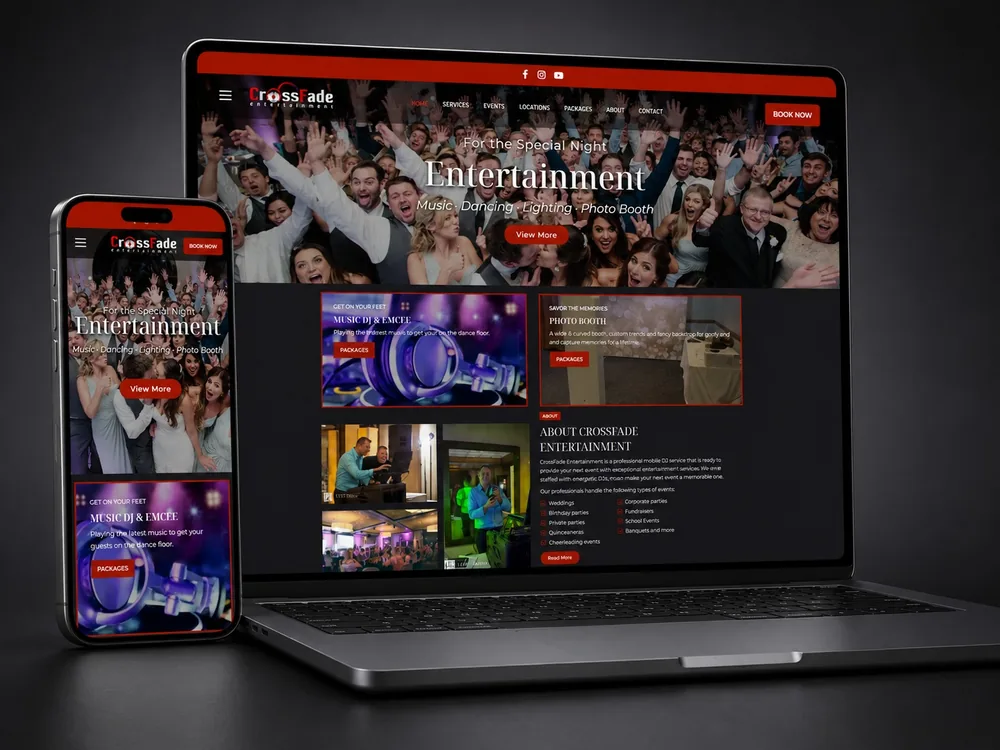
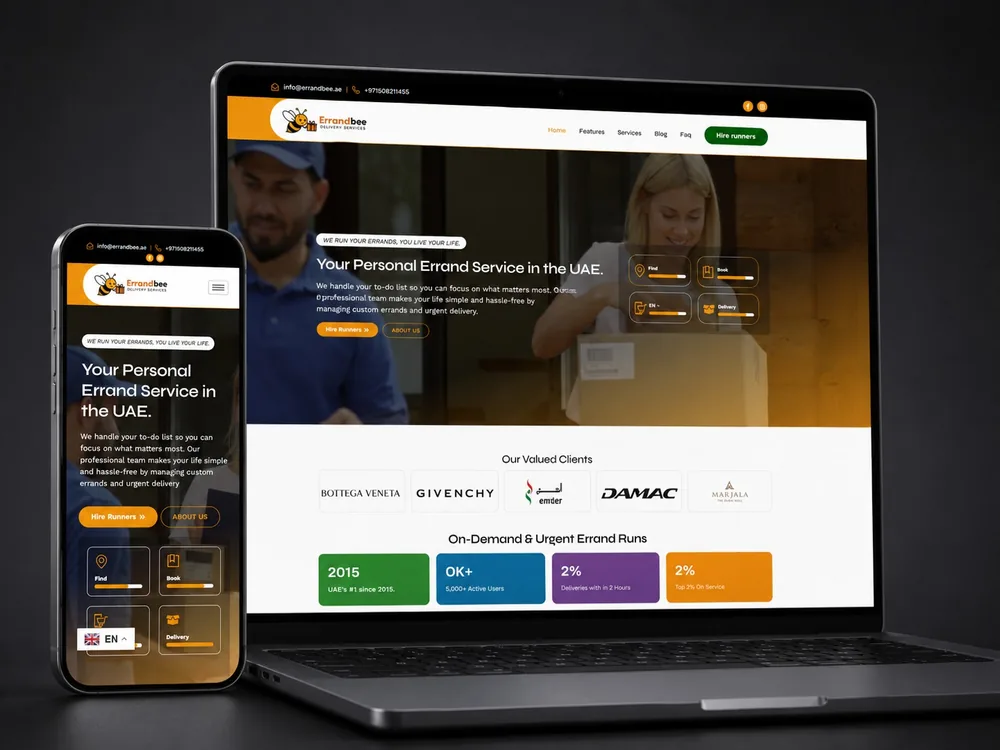
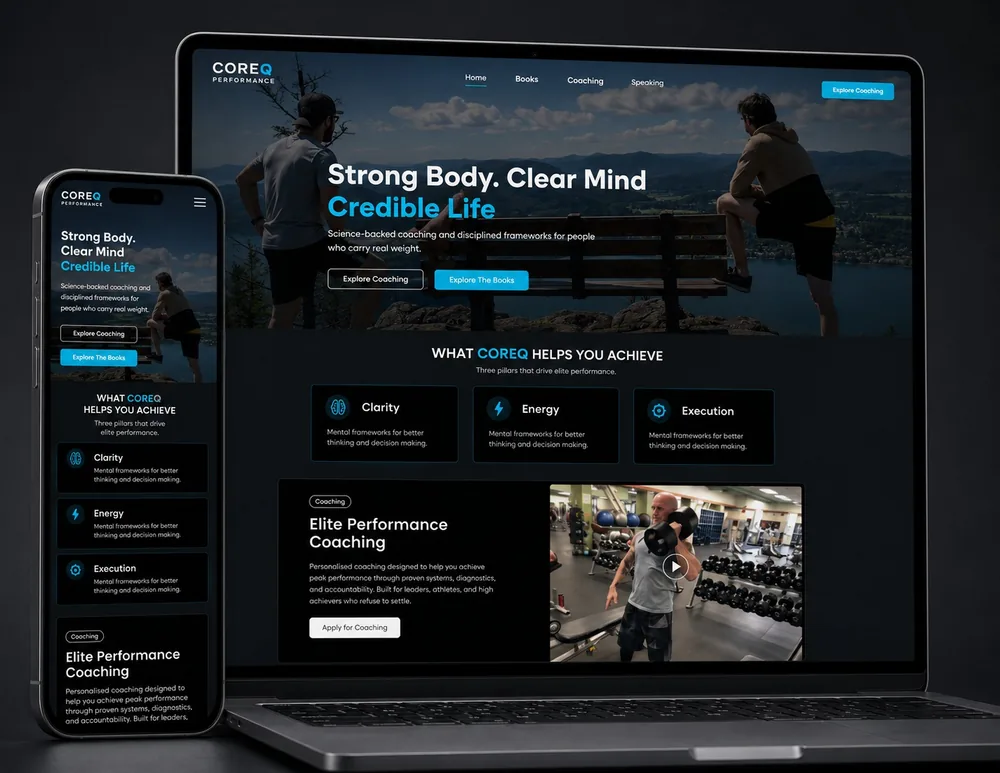
A few projects where the website had a clear job to do. Open one to see what changed for the business.
Questions
If your question is not here, ask it directly. We answer honestly, even when the answer is that we are not the right fit.
A focused app with a handful of screens is usually eight to sixteen weeks. Anything with accounts, payments or a large number of screens runs longer. We will tell you which category yours is in during the first call, before anyone signs anything.
Both. We will usually recommend a web app to start with, because there is nothing to install and it works everywhere. A mobile app is the right call when people need it offline, or when camera, Bluetooth or background location are genuinely part of the job.
It depends almost entirely on how many screens and user types there are. We quote per project after the scope is written down, and we build in stages so the first payment does not have to carry the whole risk.
You do, in full, once each stage is paid for. It is in your name, in your repository, with the documentation to go with it. There is no licence to renew and nothing we hold over you.
Only if we build it that way deliberately, and only for the parts that genuinely need it. Offline support is a real decision with real cost, so we scope it as a feature rather than assuming it.
Often, yes. We will review what exists and give you an honest read on whether it is worth continuing or cheaper to rebuild. Either way you get the assessment whether or not you hire us.
Why work with us
You work directly with the developer doing the work. No account managers, no hand-off, no disappearing once the invoice clears.
Selected clients






Free · No obligation · 24hr response
Tell us where you are and where you want to go. You will get a written scope, a fixed price and an honest timeline — before you commit to anything.
or email info@developmentbyniaz.com